
Will Teeth Whitening Damage Enamel? What Dentists Say
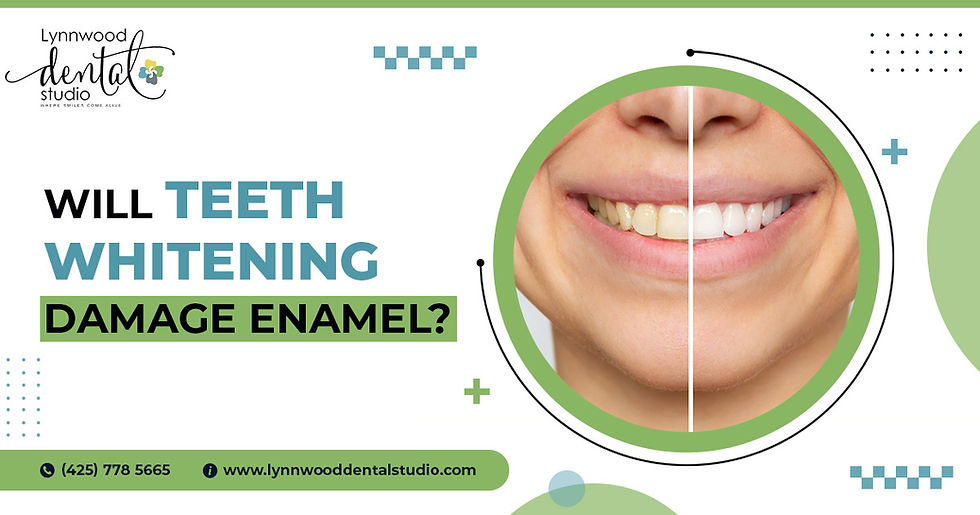
We’ve all been there: catching a glimpse of your teeth in the mirror and not liking what you see. There are many possible causes of stains or discoloration of teeth, including certain foods, drinks, and aging. Teeth whitening is a popular and practical way to restore your beautiful smile.
However, it’s a common belief that the whitening process or products can damage your teeth, particularly the enamel (hard, outermost layer covering your teeth). In this article, we uncover the truth behind the risk of enamel damage from teeth whitening by clearly laying out the facts and busting the myths. We’ll discuss how whitening works, the difference between professional and DIY methods, and how to achieve a lasting smile without compromising your dental health.
What Happens When You Get Your Teeth Whitened? Will Teeth Whitening Damage my Teeth Enamel?
The professional teeth whitening process involves applying specialized whitening (bleaching) agents, such as hydrogen peroxide or carbamide peroxide. These materials get into the enamel to break down stain molecules. However, they do not actually damage (strip or melt) the enamel itself.
Yes, it’s possible for the enamel to temporarily demineralize or soften as a result of the bleach application, but it’s perfectly normal and restores automatically within a few days.
Demineralization of the enamel refers to a very slight, temporary "softening" of the front surface of your teeth during the whitening process. However, your saliva, which is rich in calcium and phosphates, naturally remineralizes the enamel after treatment.
In short, NO, whitening doesn’t damage your teeth, as long as you aren't over-doing it or using low-quality acidic materials.
The Real Risks: When Whitening Can be Harmful
Professional whitening by a certified dentist is always safe. The only time whitening can damage your teeth is when it’s done without professional supervision.
1. Natural DIY Whitening Options
There is a huge misconception that "natural" or “home-based” means "safe." Many so-called experts on the internet recommend using remedies such as lemon juice or apple cider vinegar mixed with baking soda.
The Truth: Lemons and vinegar are highly acidic. Applying acid directly to your teeth can cause significant damage to your enamel.
The Result: Your teeth might look whiter temporarily because the front surface is scratched, but it permanently weakens your enamel, leading to severe sensitivity and yellowing over time.
2. Charcoal and Gritty Pastes
Activated charcoal toothpastes have become quite popular lately as an easy way to maintain or restore white teeth. The problem is that many of these products are highly abrasive. Instead of targeting just the stains, they simply scrub away the surface of your enamel, temporarily revealing the whiter interior while permanently wearing down the enamel in the process.
3. "Bleachorexia" (Over-Whitening)
Over-whitening, even with safe, professional products, can be as damaging as the aforementioned options. It can lead to:
Translucent Edges: Teeth may permanently turn bluish or transparent at the tips.
Chronic Sensitivity: Constant exposure to peroxide might permanently open the enamel pores, leading to extreme sensitivity when consuming hot or cold items.
Professional vs. Over-the-Counter Teeth Whitening: What’s the Difference?
Feature | Professional Whitening (In-Office) | Over-the-Counter (Strips/Gels) |
Concentration | High-strength, fast-acting peroxide. | Lower concentration; might take weeks to show results. |
Customization | Custom-fitted trays protect the gums. | May not fit perfectly, allowing the solution to leak onto the gums. |
Safety | Supervised by a dentist to minimize risks. | High risk of enamel damage or gum irritation. |
Results | Positive effects within one visit. | Slow, often uneven results. |
Sensitivity | Managed with professional desensitizers. | Often causes constant & long-term sensitivity. |
Why the "Right Fit" Is Important
One of the biggest reasons why DIY kits fail is their standard fit, which may sometimes cause the whitening gel to leak onto your gum tissue, leading to chemical burns.
We at Lynnwood Dental Studio offer customized whitening trays that exactly fit your teeth, ensuring the bleach works efficiently on the enamel and stays away from the sensitive gum tissues.
Recommended: How Often Can You Get Your Teeth Professionally Whitened?
Managing Sensitivity During or After Whitening
The most common side effect of whitening is temporary sensitivity in the form of sharp, sudden flashes of pain.
Why does this happen?
As the peroxide in bleach opens the pores in your enamel to reach the stains, it temporarily penetrates the nerves in the dentin. This can make your teeth slightly sensitive and is not a sign of permanent damage.
At Lynnwood Dental Studio, we handle this through:
Pre-treatment Assessment: We check for underlying problems like gum recession or disease that could lead to pain.
Desensitizing Agents: We apply fluoride or potassium nitrate treatments to close the enamel pores immediately after whitening.
Adjusted Concentrations: We can tailor the concentration of the gel to minimize pain.
How to Prevent Enamel Damage While or After Whitening
Follow these professional best practices to achieve efficient whitening results and minimize the risk of damage:
Get a Dental Cleaning First: Whitening works best when your teeth are absolutely clean. If you have plaque or tartar buildup, the whitening agent may not be able to penetrate the tooth evenly, leading to uneven results.
Follow Instructions: If a DIY professional kit says to leave it for 30 minutes, follow it to the dot. Leaving the solution longer only means more sensitivity.
Avoid Harsh Foods: For up to 48 hours after whitening, your enamel pores are slightly open. Avoid harsh or staining foods like red wine, soy sauce, blueberries, and coffee to ensure efficient results.
Use a Soft Toothbrush: Avoid abrasive toothpastes or stiff-bristle toothbrushes, especially after whitening. Use a soft brush and a doctor-recommended toothpaste.
Also Read: How Long Does Teeth Whitening Last?
Who Should Avoid Teeth Whitening?
Whitening isn't for everyone. Ask your dentist for alternative options (like veneers or bonding) if you have:
Restorations on Front Teeth: Bleach cannot improve the color of crowns, fillings, or veneers.
Extremely Thin Enamel: If your teeth are extremely sensitive, chances are that your enamel is already worn down. Whitening will only make it thinner and cause intense pain.
Active Gum Disease: Cavities, gum inflammation, etc.
Conclusion: A Whiter Smile Without Compromising Health
So, will teeth whitening damage your enamel?
The answer: it depends.
When performed by a professional using high-quality products, the whitening process is often successful with minimal enamel damage. Modern professional whitening is a safe, effective way to restore your smile without compromising the structural integrity of your teeth.
However, unregulated DIY procedures, some store-bought abrasive pastes, and the overuse of whitening products can cause significant, long-term damage to your enamel.
Ready for a Brighter Smile?
Don't risk your enamel health or integrity by choosing unapproved, low-quality kits. Trust only professional dentists at Lynnwood Dental Studio for a safe, comfortable, and successful treatment. Schedule your appointment today.


Comments